Small Budget for Event Planning? Here’s How to Make the Most of It
Budgets may be tighter, but expectations certainly aren’t. Stakeholders call for events that feel high-value and deliver results, and attendees want personalized experiences and meaningful moments that make their travel worthwhile. It can be challenging to find a balance between those two forces with less money than you’d like.
Because every dollar must serve a purpose, planners need to be intentional and start with strategy. First, align on leadership’s goals. Then, make smart choices on what drives an event’s impact, even when resources are limited.
Redefine Success to Build a Stronger Budget Case
Before getting into the numbers, you’ll want to define what success looks like. Understand what stakeholders want, so you can allocate funds in areas that matter.
For instance, you might approach them with the goal of supporting sales enablement, not just driving attendance. But, as Nicole Osibodu, co-founder of Club Ichi, a membership group for B2B event marketers, points out, “if all they care about is leads—like a list of emails—then you just need to get people to attend.”
Also, tying the budget to measurable outcomes helps justify spend to decision-makers and sets shared expectations early. Osibodu talks about “ROE”—return on emotion—as a way to show how positive attendee experiences lead to business value.
“What is the emotion that needs to be elicited for customers to do business with you?” Osibodu asks. Data can help you get at those sentiments. To that end, she and her Club Ichi co-founder, Liz Lathan, conducted a research study that led to the development of a measurement called HAAAM—“because we always say that events bring home the bacon,” Osibodu says. The acronym stands for hope, adventure, acceptance, active, and motivated.
“You can score it in the end via survey, which is a traditional model with attendees, and find out how you did,” she says. “It’s a very different measurement that gives you a lot of ability to ask for more budget, ask for changes, and do cooler stuff.”
Taking a page from Stephen Covey’s The 7 Habits of Highly Effective People, begin with the end in mind, says Princess Castleberry, an author and global speaker. “If you start with a finite list of questions that you have to answer after the event, people know exactly what they need to plan for and what they need to capture,” she says.
Know Where to Cut, and Where Not To
Every planner faces trade-offs. The key is knowing where savings won’t hurt attendee satisfaction.
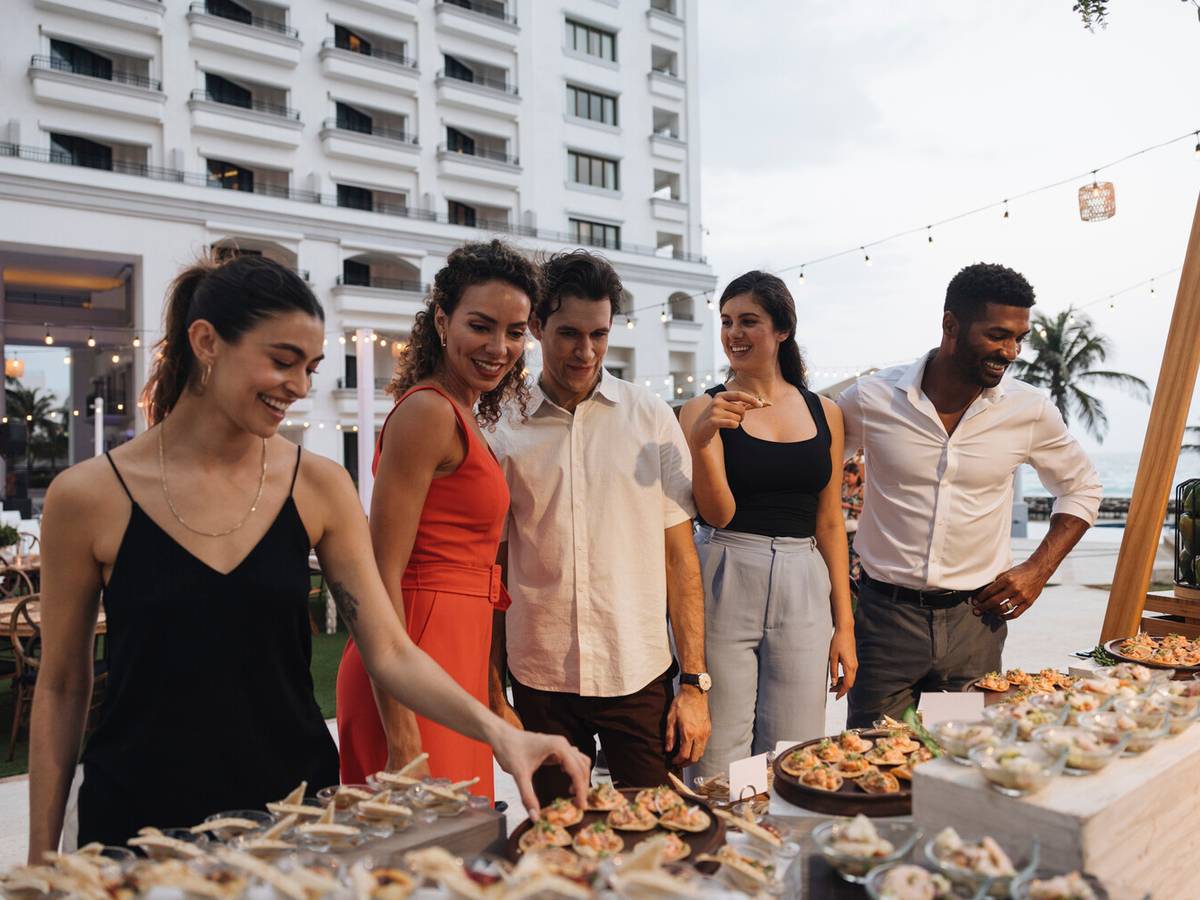
One way to save money without sacrificing on experience is to look at less-expected destinations. The right “hidden gem” venue can offer world-class amenities with a more budget-conscious price tag.
Spending top dollar on a celebrity appearance might boost the wow factor, but you can make your event memorable—and save on your budget—with an unexpected, lesser-known speaker who can uniquely connect with attendees.
In addition to cost-saving efforts, decide where you want to protect your spend. High-impact areas could be food and beverage, content quality, or technology.
To determine where to spend money, Castleberry brings up another “ROE”: return on engagement. To keep up with the demands of the people who are paying to come to events, “organizations have to be far more conscious of participants’ experiences when they’re planning their budgets,” she explains.
If the goal is awareness, for example, you can go leaner, with smaller activations or micro events.
But deeper engagement, such as moving leads through your funnel, usually requires more investment. “The further you want somebody in the funnel, the more it costs, typically,” she says. “Or, the more creative you have to be with how you get them there.”
The following brands do not participate in Marriott Bonvoy™ Events: Design Hotels, Marriott Executive Apartments, Residence Inn, TownePlace Suites, StudioRes by Marriott, Bulgari Hotels & Resorts, The St. Regis Residence Club, The Phoenician Residences, a Luxury Collection Residence Club, Scottsdale, The Ritz-Carlton Club, The Ritz-Carlton Yacht Collection, and Homes & Villas by Marriott Bonvoy. For a full list of participating and non-participating brands, please click here.